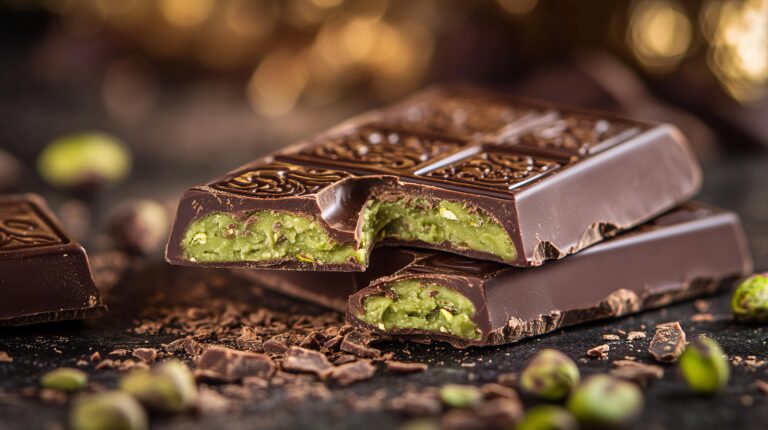

Chocolate has always had its classics, from familiar milk chocolate bars to traditional pralines and truffles. But today, brands are experimenting with unusual flavours, contrasting textures, new formats and limited-edition releases to keep consumers interested.
The question is whether constant innovation is making chocolate more exciting—or whether the industry risks moving too far away from the products people already love.
New combinations can create curiosity and give consumers something worth talking about, while limited editions and experimental formats can help brands stand out in a crowded market. At the same time, traditional chocolate still has a powerful appeal because familiarity is part of the experience.
Perhaps the future of chocolate is not about choosing between tradition and innovation. The strongest products may be those that respect what consumers already know while giving them something unexpected to discover.
So, when it comes to chocolate, how much innovation is actually better—and when does a classic simply need to remain a classic?