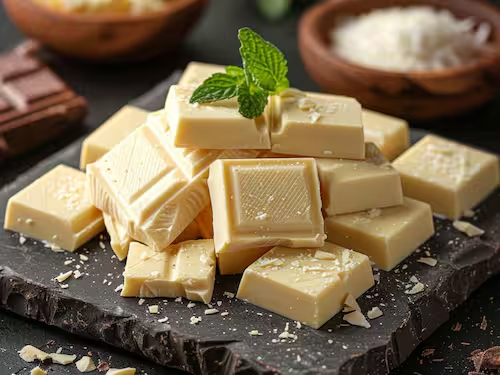
White chocolate has its own loyal following, but it has also sparked one of the industry’s longest-running debates: should it really be called chocolate?
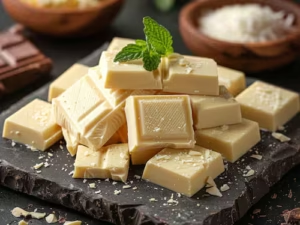
Unlike dark and milk chocolate, white chocolate does not contain cocoa solids. Instead, it is made using cocoa butter, the natural fat extracted from cocoa beans, alongside ingredients such as sugar and milk.
That cocoa butter connection is what gives white chocolate its chocolate identity.
Its creamy colour and milder flavour make it particularly useful in confectionery. Manufacturers use it in filled chocolates, bars, coatings, desserts, biscuits and seasonal treats.
White chocolate also provides a different flavour base for experimentation. It can be paired with fruit, nuts, caramel, vanilla and spices without the stronger cocoa taste associated with dark chocolate.
However, not every product labelled white chocolate is necessarily made to the same standard. Some confectionery coatings use other vegetable fats instead of cocoa butter, so checking the ingredients can help consumers understand what they are buying.
Whether people consider it real chocolate or not, white chocolate has developed a distinct place in the confectionery market.
So, where do you stand? Is white chocolate real chocolate, or does chocolate need cocoa solids to earn the name?
From Macao Cacao — celebrating every side of the chocolate world.