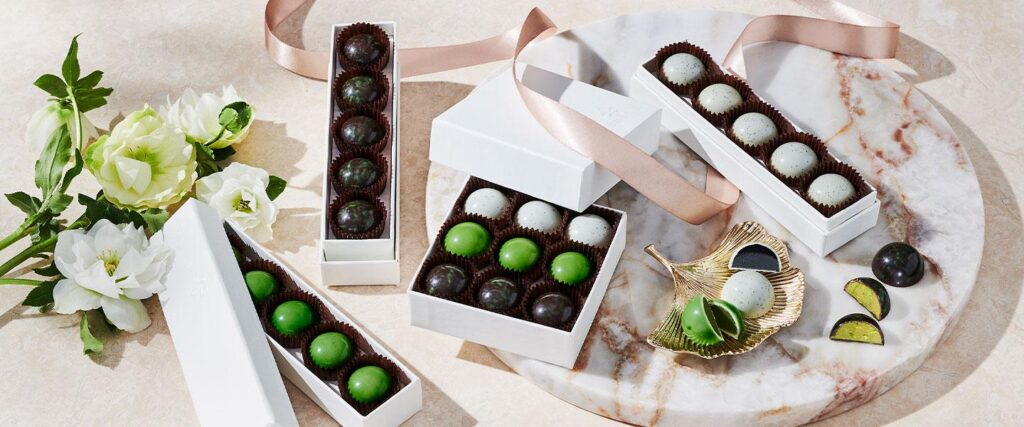
Chocolate manufacturers are entering a period of change as consumers look for more than traditional sweet treats. New research from Barry Callebaut identifies five major consumer trends expected to influence chocolate confectionery in 2026 and beyond.
The report, based on research across 24 markets involving 24,000 consumers, highlights changing expectations around flavour, ingredients, portion sizes and the overall chocolate experience.
1. Small celebrations create new opportunities
Consumers are increasingly using chocolate to celebrate everyday achievements, from personal milestones to small workplace successes. This creates opportunities for brands to develop products designed for gifting and informal celebrations.
2. International flavours are gaining attention
Ingredients such as matcha, yuzu and calamansi are attracting interest, particularly among younger consumers. Chocolate manufacturers are exploring combinations inspired by Asian and other international food cultures.
3. Less sweetness and simpler ingredients
Consumers are showing greater interest in less-sweet products and shorter ingredient lists. Manufacturers are responding by exploring different formulations and more transparent product descriptions.
4. Smaller, more functional treats
Miniature and bite-sized chocolates are becoming an interesting development area. Brands are exploring portion-controlled formats and products containing additional ingredients associated with nutritional or functional benefits.
5. Texture is becoming part of the experience
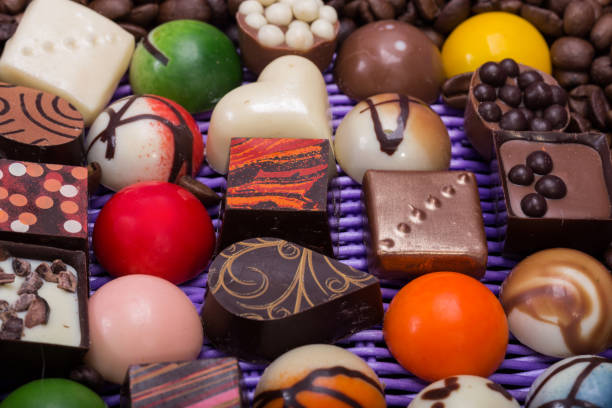
Consumers are increasingly interested in chocolates that offer unexpected textures and flavour combinations. Crunchy inclusions, layered fillings and sweet-and-savoury combinations are helping brands create more memorable products.
The findings suggest that the future of chocolate will not depend on flavour alone. Product presentation, ingredients, texture, portion size and the emotional experience of eating chocolate are becoming increasingly important.
For manufacturers, understanding these changing expectations will be essential when developing products that remain relevant in a competitive global market.
From Macao Cacao: Bringing you insights into the consumer trends, innovations and ideas shaping tomorrow’s chocolate industry.