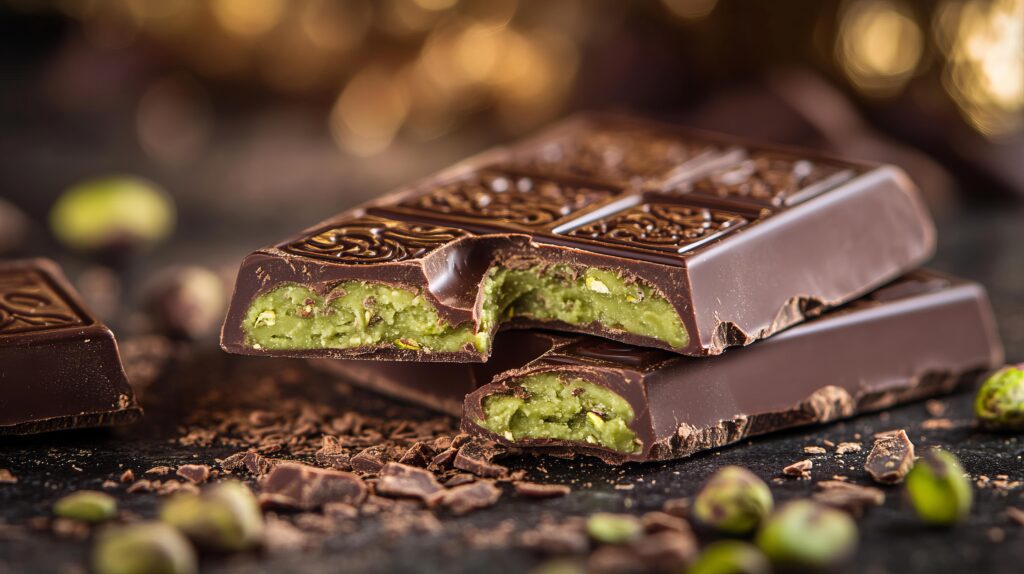
The chocolate industry is entering a new phase of innovation as manufacturers respond to changing consumer expectations. Beyond traditional milk and dark chocolate, companies are exploring alternative ingredients, protein-enriched treats, gut-health formulations and products that combine indulgence with added functionality.
Recent developments reported across the confectionery industry suggest that the next generation of chocolate products could look quite different from the traditional chocolate bar.
Here are four trends attracting attention.
1. Cocoa-Free Chocolate Is Moving Towards Commercial Production
Cocoa alternatives are becoming an increasingly important area of research and product development.
German food technology company Planet A Foods, for example, has developed ChoViva, a cocoa-free chocolate alternative made using sunflower seeds. Its latest innovation, Cocoa Booster, is a cocoa powder alternative designed to replace up to 100% of cocoa powder in selected applications.
These developments are giving manufacturers additional formulation options for products such as baked goods, fillings, beverages and confectionery.
The objective is not necessarily to eliminate traditional cocoa, but to give manufacturers more flexibility when developing products and managing ingredient costs.
2. Protein Is Becoming a Popular Ingredient in Chocolate
Protein-enriched confectionery is gaining visibility as consumers look for snacks that combine enjoyment with additional nutritional value.
Major companies are already exploring this opportunity. Mars has extended brands such as Snickers and Bounty into high-protein formats, while Hershey has developed its ONE protein bar range. Nestlé has also explored protein-enriched products through KitKat Chunky More.
The trend is extending beyond traditional protein bars into chocolate bites, wafers, cookies and other snack formats.
However, manufacturers face an important challenge: adding protein without making chocolate products dry, dense or chalky.
Taste and texture remain essential to winning consumers over.
3. Gut Health Ingredients Are Entering the Confectionery Category
Interest in gut health is creating opportunities for manufacturers to explore ingredients such as prebiotic fibres, probiotics and postbiotics in sweet products.
Prebiotics are fibres that support beneficial gut microorganisms, while probiotics are live microorganisms associated with health benefits when consumed in adequate amounts.
Although functional gummies and supplements currently provide many examples of this innovation, the wider confectionery industry is exploring how functional ingredients can be incorporated into familiar sweet formats.
For chocolate manufacturers, the opportunity lies in developing products that combine enjoyable flavours with carefully formulated functional ingredients.
The challenge will be maintaining chocolate’s familiar taste and texture while meeting applicable food regulations for nutritional and health claims.
4. Functional Indulgence Is Changing How Consumers View Chocolate
Consumers are increasingly interested in treats that offer more than flavour alone.
This has encouraged manufacturers to explore chocolate products containing additional protein, fibre, vitamins and other functional ingredients.
The idea is not to replace indulgence with nutrition, but to bring the two experiences closer together.
For example, a chocolate snack could offer a familiar dessert-inspired flavour while also providing added protein or fibre.
This approach is creating opportunities for new product formats, including smaller portions, filled chocolate bites and functional confectionery designed for everyday snacking.
What Does This Mean for the Chocolate Industry?
These four developments point towards a more diverse chocolate market. Traditional chocolate remains important, but manufacturers are exploring new ingredients, product formats and nutritional propositions to meet changing expectations.
For chocolate businesses, future competitiveness may depend on finding the right balance between innovation, taste, product quality and consumer trust.
The next generation of chocolate may not simply be about creating another flavour. It could be about changing what a chocolate product can offer.
From Macao Cacao: Exploring the trends, technologies and innovations shaping the future of the global chocolate industry.