Dark Chocolate
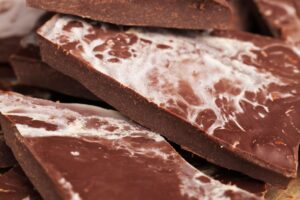
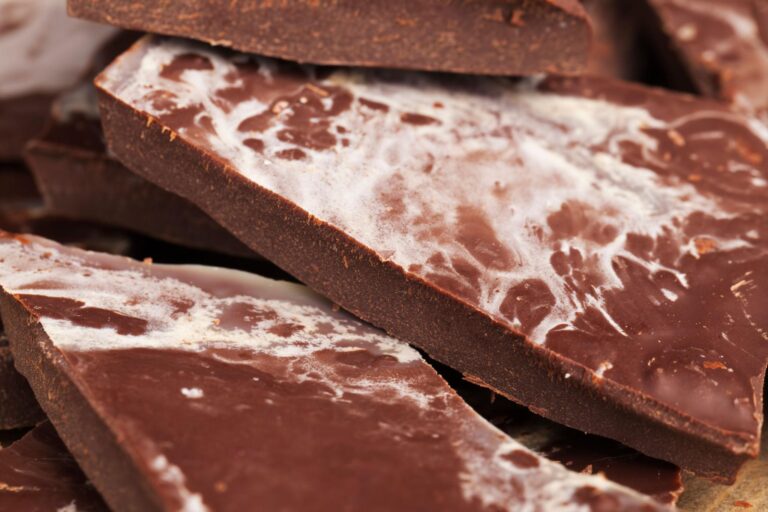
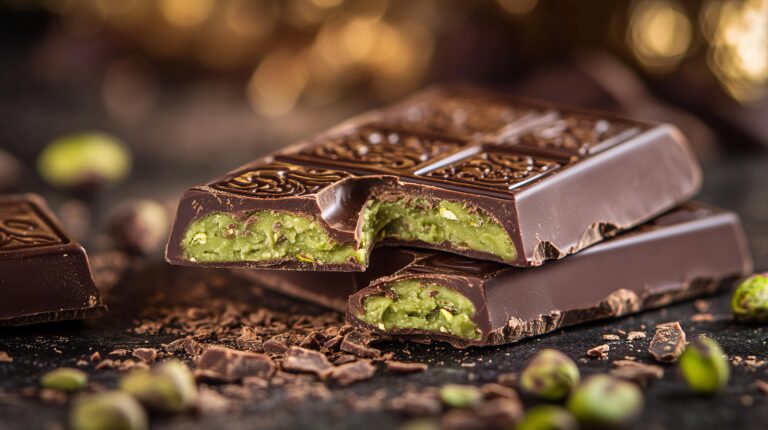
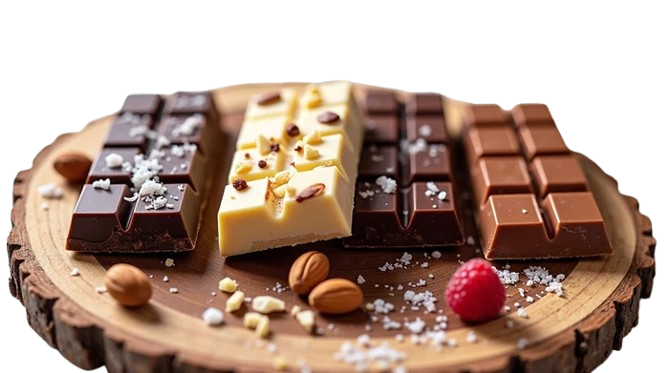
Dark chocolate contains cocoa solids and cocoa butter, with less milk than milk chocolate. Depending on the cocoa percentage, it can have a deeper, more intense flavour with notes ranging from fruity and nutty to bitter.

Milk Chocolate
Milk chocolate combines cocoa with milk and sugar, creating a creamier, sweeter and smoother taste. Its softer flavour makes it one of the most popular choices among chocolate lovers.
White Chocolate
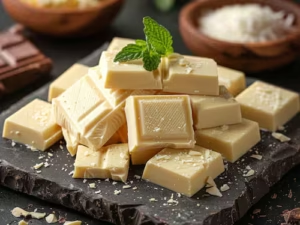
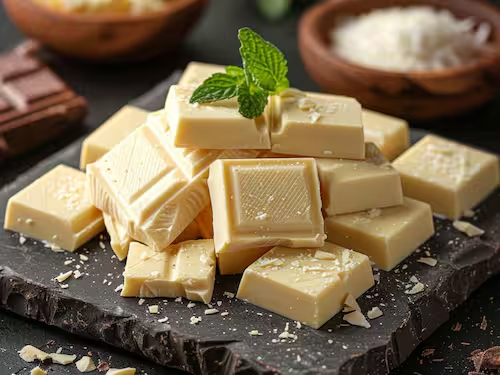
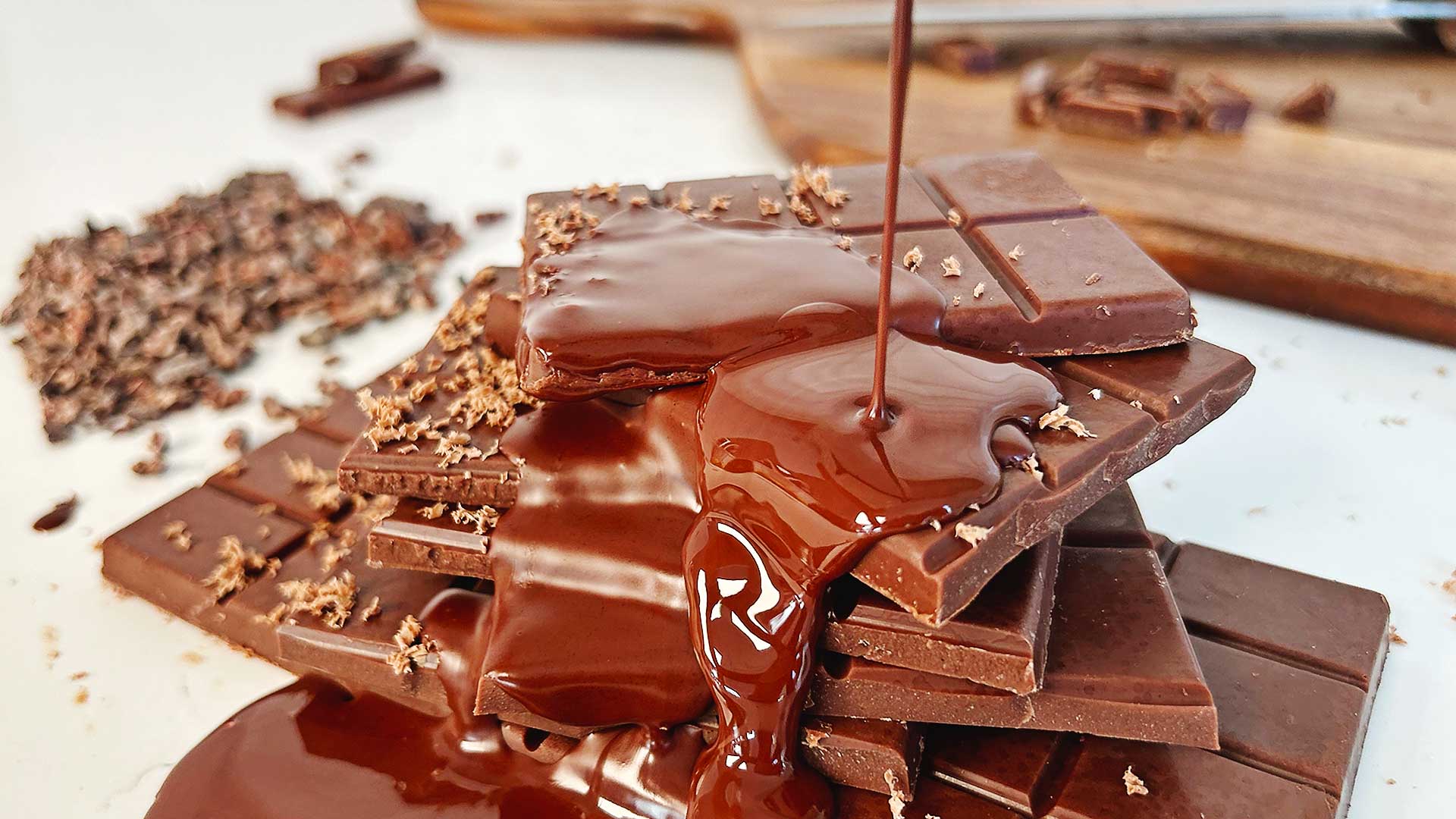
White chocolate is made mainly from cocoa butter, milk and sugar. Unlike dark and milk chocolate, it does not contain cocoa solids, giving it its characteristic pale colour and sweet, creamy flavour.

Which One Is Right for You?
There’s no single chocolate for everyone. Some people prefer the bold character of dark chocolate, while others enjoy the sweetness of milk or the creamy richness of white chocolate.
Whatever your preference, each type offers its own unique chocolate experience.