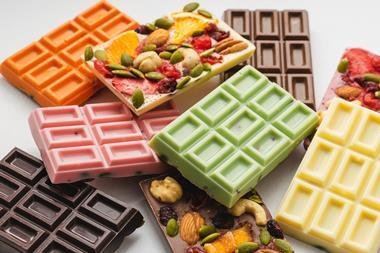
Chocolate may be enjoyed almost everywhere, but it certainly does not taste the same everywhere. One chocolate bar can taste fruity and delicate, while another may be rich, nutty, creamy or intensely bitter.
So what creates these differences?
The Cocoa Makes a Difference
The flavour of chocolate begins with the cocoa. Different cocoa varieties can have their own natural flavour characteristics, influenced by factors such as where they are grown and the conditions surrounding the cocoa.
This is one reason chocolates made with cocoa from different regions can have noticeably different flavour profiles.
Roasting Changes the Character
After cocoa beans are fermented and dried, they are roasted. Roasting develops many of the flavours we associate with chocolate and can bring out deeper notes such as nuts, caramel and toasted flavours.
The roasting approach can therefore have a significant effect on the finished chocolate.
Ingredients Matter Too
Chocolate is not made from cocoa alone. The amount of sugar, milk ingredients and cocoa butter can change its sweetness, creaminess and intensity.
Dark chocolate, for example, generally has a stronger cocoa character, while milk chocolate tends to have a softer, creamier and sweeter profile.
A World of Chocolate Flavours
From fruity and floral notes to caramel, nuts and spices, chocolate can offer an incredibly wide range of flavours. That variety is part of what makes exploring chocolate so interesting.
There is no single taste of chocolate—the world of chocolate is full of flavours waiting to be discovered.